
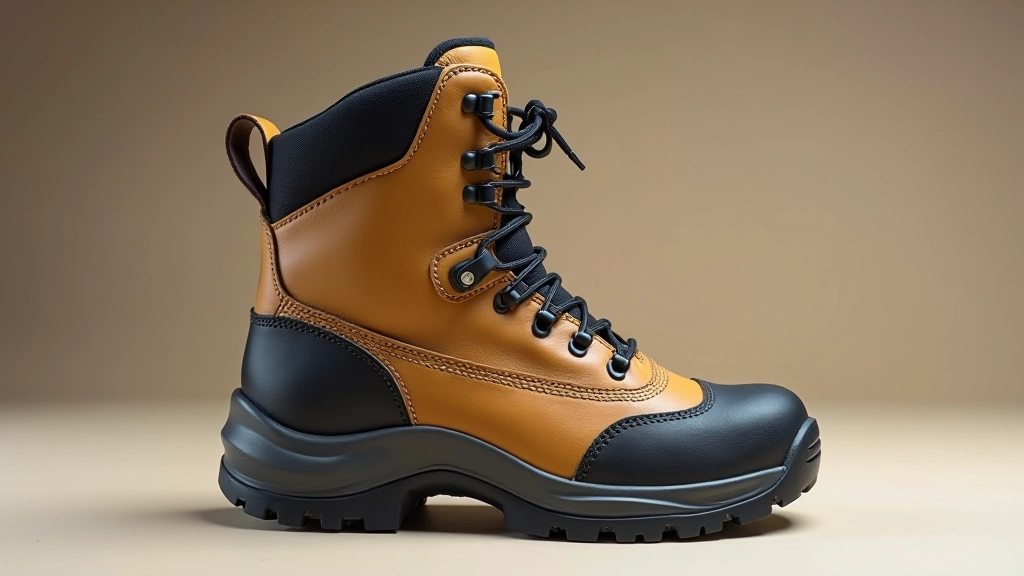
Choosing the Right Safety Boots for Your Crew
What makes a good safety boot? We break down sole protection, ankle support, slip resistance, and what to look for when buying for a team.
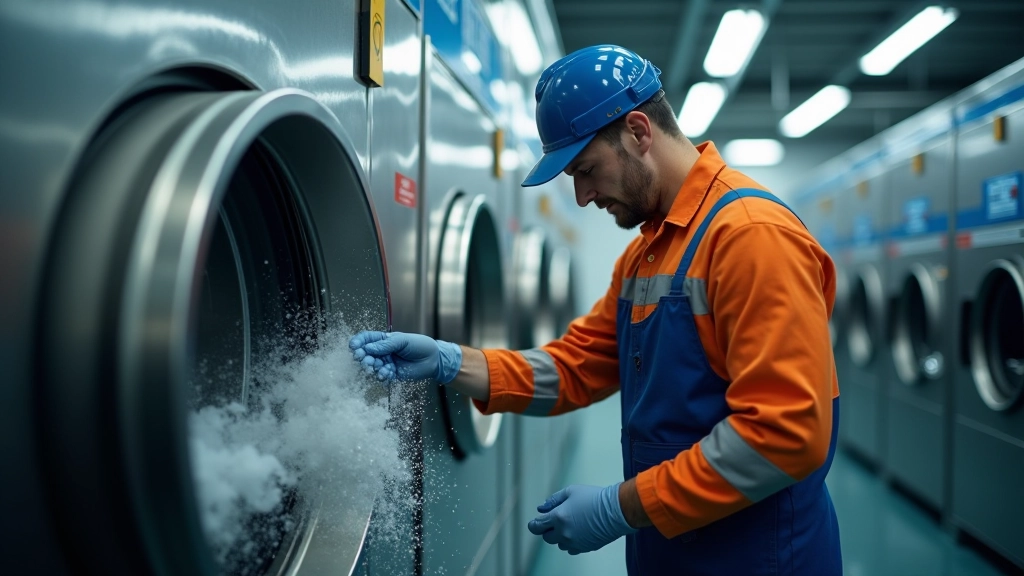
Read MoreProper care makes the difference between gear lasting one season or three. We've covered washing temperatures, chemical compatibility, and storage tips that actually work.
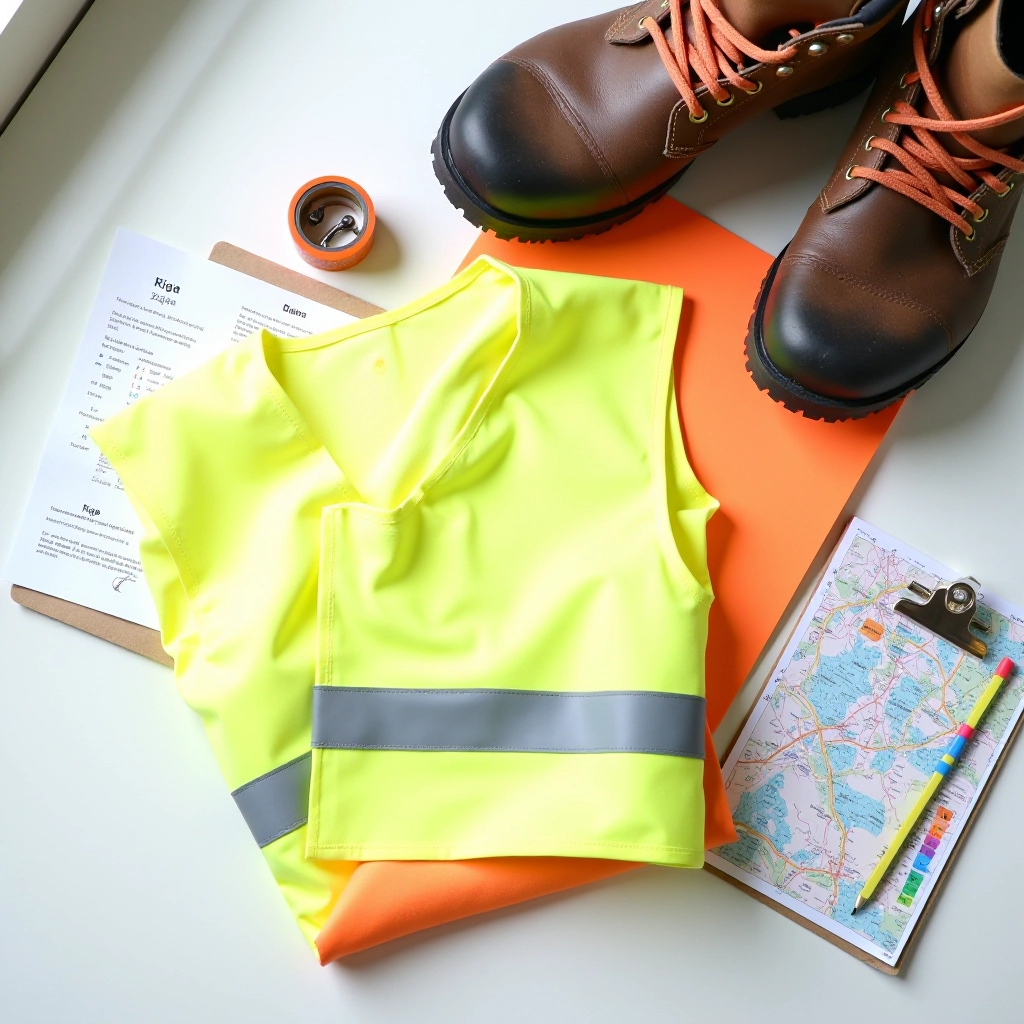
Written by the baltistone Editorial Team, focused on practical guidance for safety workwear wholesale supply in Latvia.
Safety gear isn't cheap. A quality hi-vis jacket costs real money, and when you're managing workwear for a crew, those costs add up fast. Here's the thing — most damage doesn't come from the work itself. It comes from washing.
We've seen teams replace perfectly good vests after just one season because they washed them wrong. Wrong temperature, wrong detergent, wrong drying method. The fabric breaks down. The reflective tape peels. Colors fade. You're looking at replacement costs that could've been avoided.
When you get the washing process right, you'll stretch gear lifespan from one year to three, sometimes four. That's not just saving money — that's actually managing your budget responsibly.
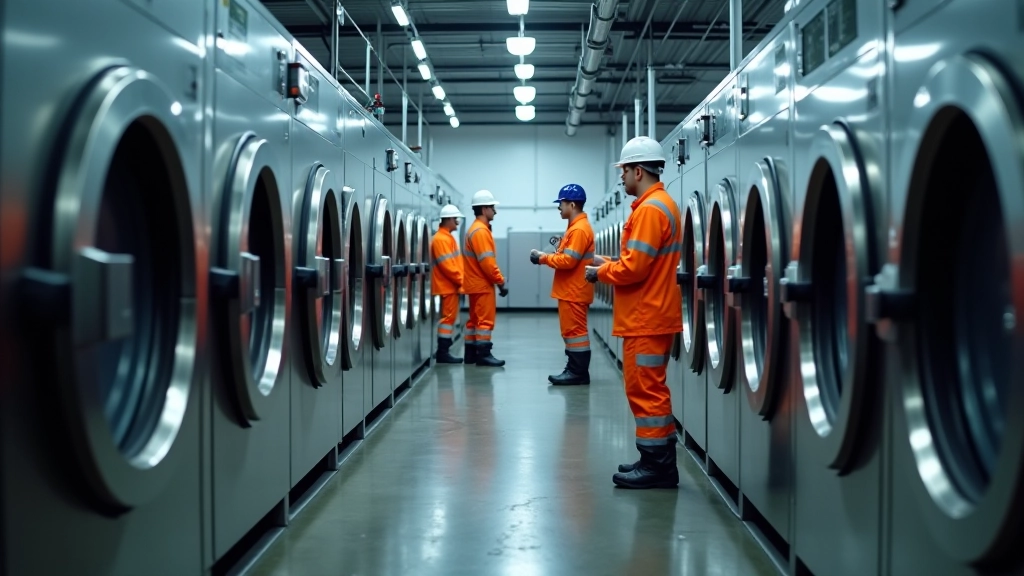
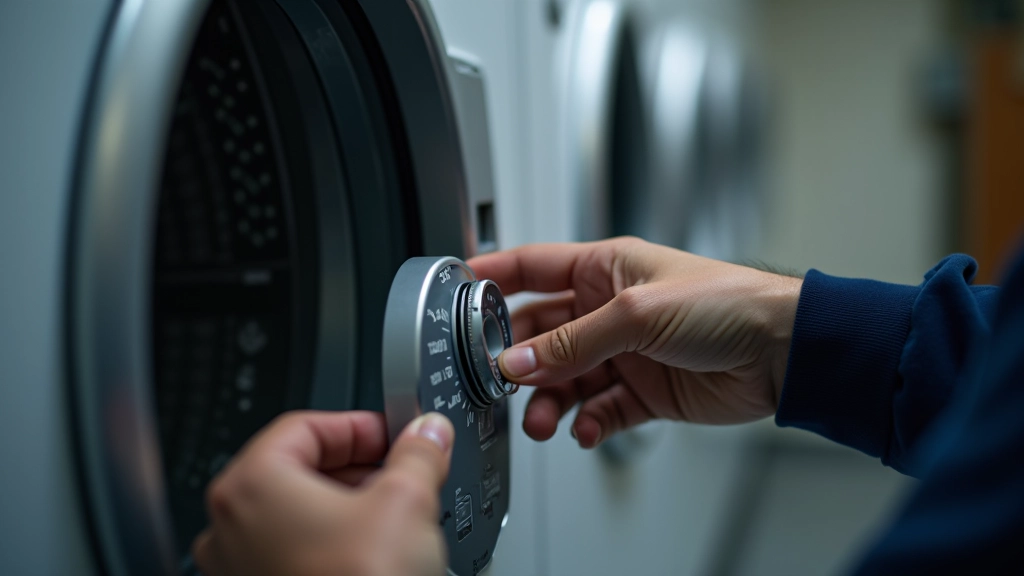
Let's start with the absolute basics. Most safety workwear should be washed at 30-40°C. That's cool water — not cold, not warm. This temperature protects the reflective materials and keeps the fabric structure intact. Go hotter and you're asking for trouble.
The detergent choice is equally important. You want a gentle, neutral pH detergent. Don't use anything aggressive. Standard powders often contain bleach or optical brighteners that damage hi-vis coatings. Liquid detergents designed for delicates work better. We've had good results with products specifically labeled for technical fabrics.
Quick tip: Use half the detergent you'd normally use. More soap doesn't mean cleaner. In fact, excess detergent leaves residue that breaks down the fabric faster.
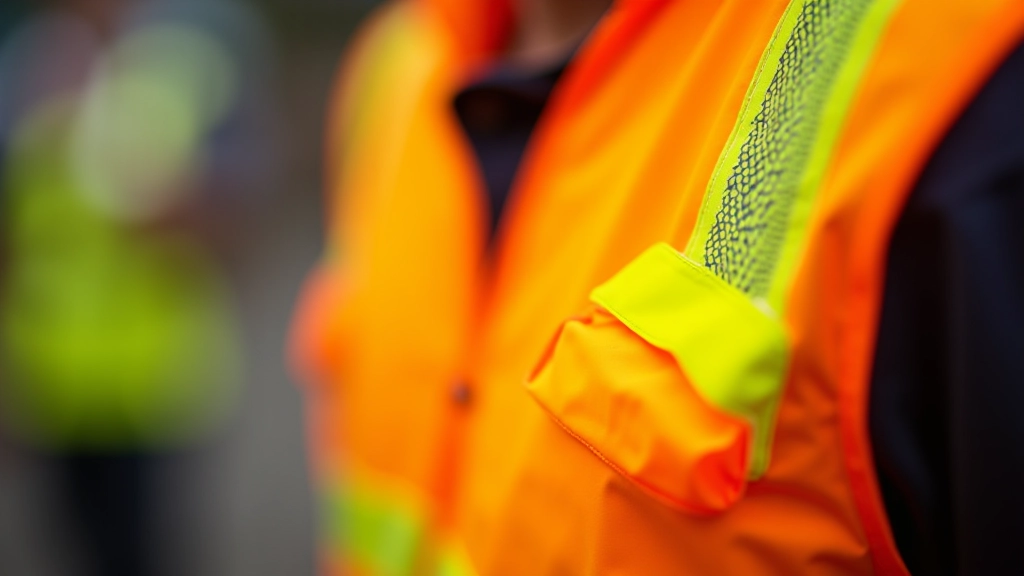
This is where most teams get it wrong. Reflective tape and coatings aren't just sewn on — they're engineered materials with specific durability limits. Rough washing, hot water, and aggressive detergents break down the adhesive layer.
Never use a washing machine's heavy-duty or normal cycle for hi-vis clothing. Use the delicate cycle. Yes, it takes longer. But you're protecting an investment. If your facility has a washing machine with a "synthetics" or "technical fabrics" setting, use that instead.
Hand washing is actually ideal for expensive pieces or newer vests, but we understand that's not practical for large crews. If you're washing multiple vests, at minimum separate them from regular workwear and use a gentler cycle with reduced spin speed.
Here's the rule: never machine dry hi-vis clothing. Not in the dryer, not on any heat setting. Heat damages the reflective materials permanently. We've seen vests come out of a hot dryer with dull, peeling tape. That's the end of that vest.
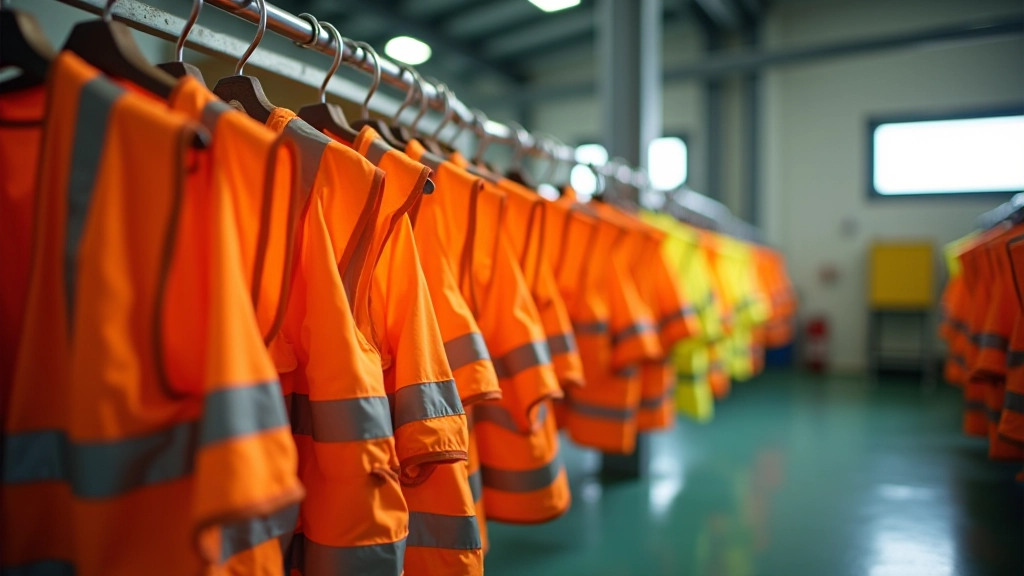
Air dry everything. Hang vests on a line or rack in a well-ventilated space. Takes 4-8 hours depending on humidity and airflow. Yes, it requires planning. But it's the difference between gear lasting two years and gear lasting five.
For larger operations, a dedicated drying rack in a ventilated room is worth the investment. Some facilities use industrial dryers on no-heat/air-only settings, which works fine if you have the equipment. But the standard household dryer? Never.
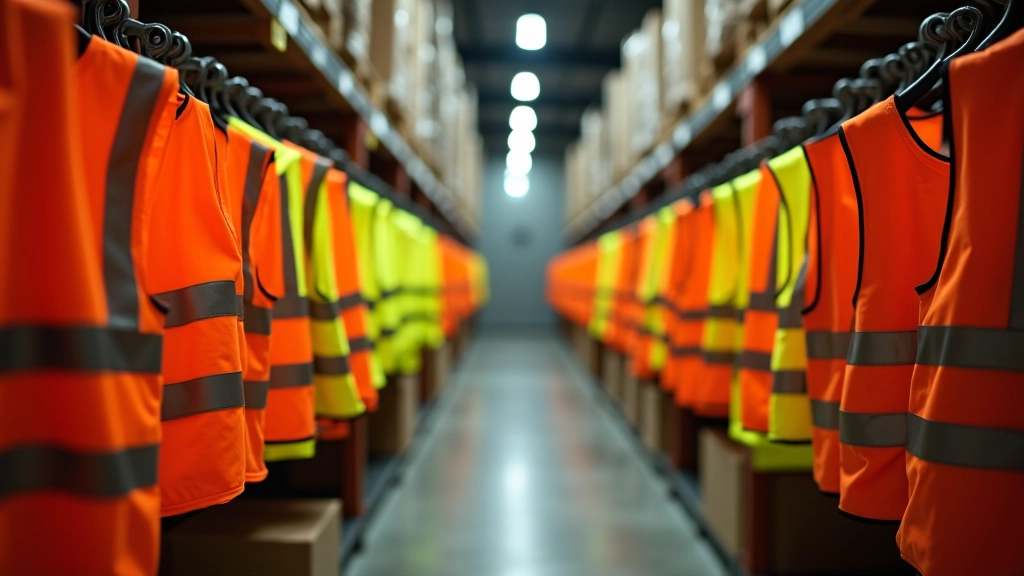
Where you store gear matters as much as how you wash it. Keep vests in a clean, dry storage area. Avoid damp spaces — moisture causes mold and mildew that damages fabric. Don't stack them tightly where they're creased constantly. Hang them when possible.
Inspect gear regularly for damage. Small tears or peeling tape don't have to mean replacement. Many issues can be fixed. Loose seams can be stitched. Peeling tape can be reinforced with fabric-safe adhesive. Catching problems early extends gear life significantly.
Store in a cool, dry place away from direct sunlight
Hang vests rather than folding them tightly
Check for damage monthly and repair small issues immediately
Keep away from chemicals, solvents, and harsh environments
Extending the lifespan of safety gear isn't complicated. It's about consistency. Cool water, gentle detergent, delicate cycles, and air drying. That's it. These aren't expensive changes — they're just different habits. When you're managing workwear for a team, these habits save thousands in replacement costs over time.
Start with one change if you need to. Switch to a delicate cycle this month. Add a drying rack next month. The cumulative effect will show up in your budget. Gear lasts longer. Colors stay bright. Reflective tape stays reflective. Everyone wins.
This guide provides general information about safety workwear care and maintenance. While these recommendations are based on standard practices for protective equipment, individual gear may have specific care instructions from the manufacturer. Always refer to the care label on your specific vests and clothing before washing. Different materials, coatings, and construction methods may require different approaches. When in doubt, contact the manufacturer or supplier for detailed care instructions tailored to your gear.
What makes a good safety boot? We break down sole protection, ankle support, slip resistance, and what to look for when buying for a team.
Read More
Class 2, Class 3, and daytime visibility — what's the difference? A practical breakdown of visibility requirements and standards.
Read More
Planning a large workwear order? This checklist covers sizing documentation, compliance requirements, and what to verify before placing orders.
Read More