
High-Visibility Standards and Visibility Classes Explained
Class 2, Class 3, and daytime visibility — what's the difference? A practical breakdown of visibility requirements and why they matter for your crew.
Read MoreWhat makes a good safety boot? We break down sole protection, ankle support, slip resistance, and sizing tips that actually matter on job sites.
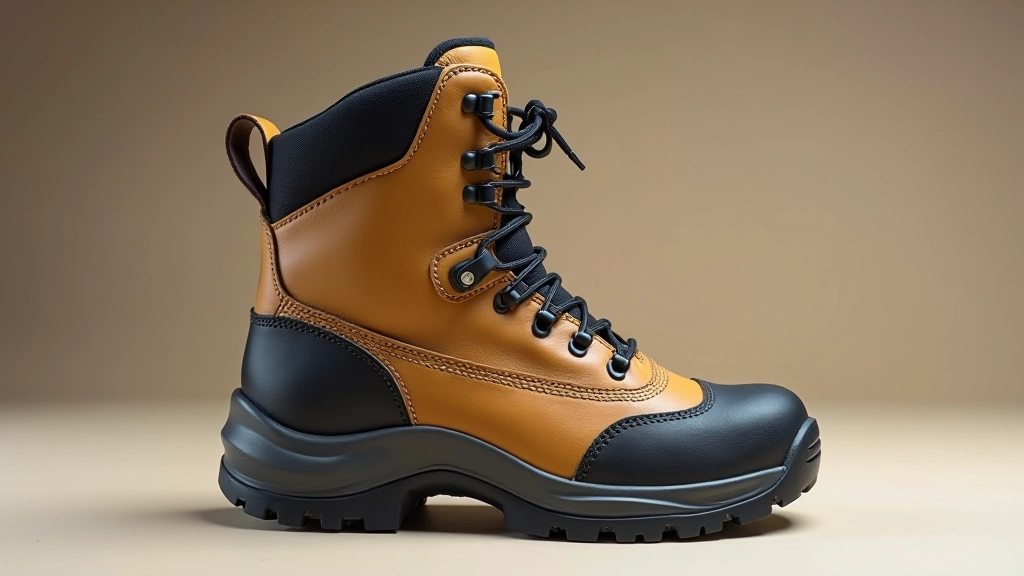
Your crew spends hours every day on their feet. The wrong boots? That's blisters, fatigue, and eventually injuries. We're not talking about minor discomfort here — we're talking about people who can't do their job properly because their feet are wrecked.
Good safety boots do more than look professional. They protect against puncture wounds, crush injuries, and slips. They support your feet when you're standing on uneven surfaces. They keep your crew safe, comfortable, and productive. But there's a lot of noise out there about what makes a boot "good," so let's cut through it.
When you're looking at boots for your crew, focus on three core features. First, the sole. You need a puncture-resistant sole that won't crack after a few months. Second, ankle support — this is where a lot of cheap boots fail. The ankle needs to be stable without being rigid. Third, slip resistance. Wet floors, oil, grease — your crew needs boots that won't betray them.
Everything else matters too, but get these three right and you've got a solid foundation. Most injuries happen when one of these three fails.
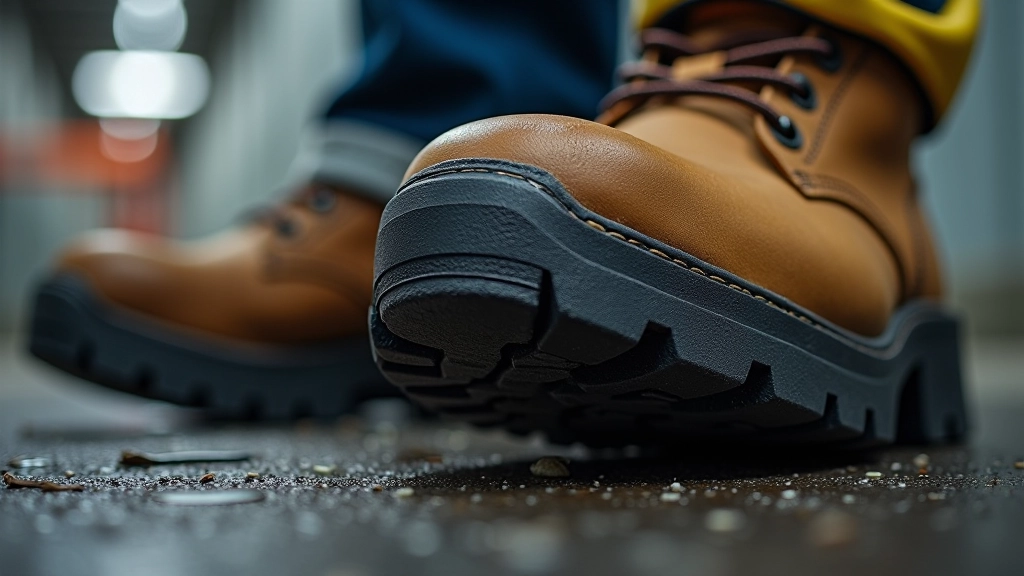

The sole is where you make or break the boot. A quality safety boot has a puncture-resistant plate — usually steel or composite — running through the middle of the sole. This stops nails, sharp objects, and metal shards from piercing through.
Here's the thing though: not all puncture plates are equal. Steel plates last longer but add weight. Composite plates are lighter but can wear out faster. For most crews doing regular industrial work, a steel plate is worth the extra couple of ounces. You're not running marathons in these.
The tread matters too. Deep treads grip better on wet surfaces, oily floors, and uneven ground. Look for boots with aggressive tread patterns if your crew works in slippery environments.
Ankle injuries are common on job sites. A boot with proper ankle support can prevent a lot of pain. But there's a balance — you don't want boots so rigid that people can't move naturally.
Look for boots with a padded ankle collar that's at least 2 inches high. The padding should be firm but not hard. Your crew needs to be able to flex their foot and walk normally. If the boot feels like a cast, it's too stiff.
The heel counter — the back part of the boot that cradles your heel — is crucial too. It should be snug enough to prevent heel slip but loose enough that you're not cutting off circulation. A good heel counter reduces fatigue when people are standing all day.
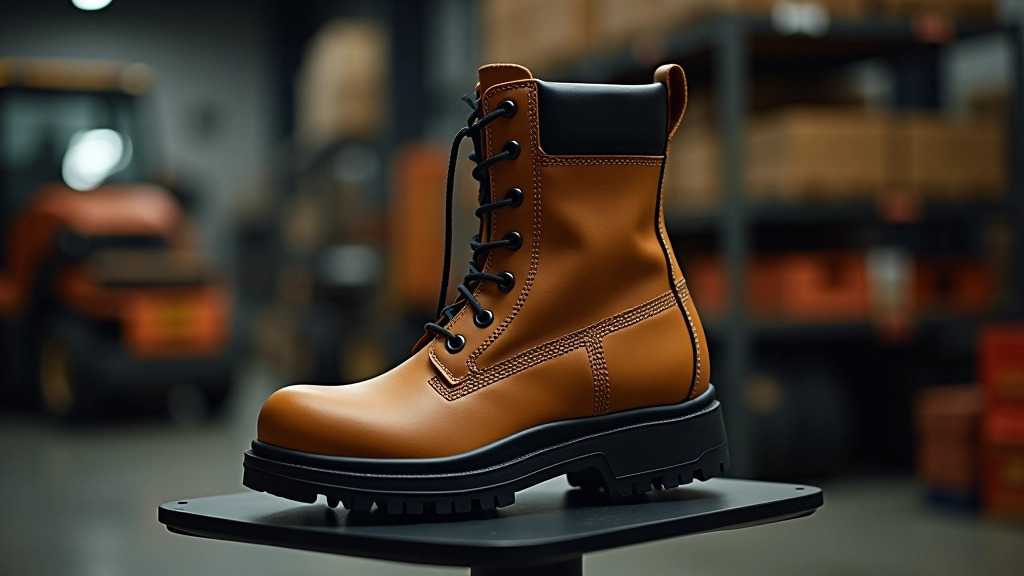
Pro tip: Have your crew try boots on with the socks they'll actually wear to work. A thin sock versus a thick winter sock makes a difference in fit. You want the boot snug but not compressing the foot.
This is where a lot of bulk orders go wrong. Companies order 30 pairs of size 42, assume they've covered everyone, and end up with half the crew in ill-fitting boots.
First, understand that boot sizes vary between brands. A size 42 in one brand might be a size 43 in another. Don't assume all your crew members wear the same shoe size in every brand. You'll be wrong.
Second, foot size changes throughout the day. Feet swell after standing for hours. A boot that feels perfect at 8 AM might be too tight by 3 PM. Your crew should try boots on in the afternoon, not the morning.
Third, measure feet properly. Stand, with weight on both feet, and measure from heel to the longest toe. That's your length. Then measure the width at the ball of the foot. Some boots come in different widths — B, C, D, E. Getting the width right prevents blisters and discomfort.
Measure feet in the afternoon when they're slightly swollen
Check both length and width measurements
Try on boots with work socks, not casual socks
Walk around in them for at least 5 minutes
Check for pressure points at heel, ankle, and toe
You've probably seen the SRA, SRB, SRC ratings on safety boot labels. These measure slip resistance on different surfaces. SRA is ceramic tile with soap solution (pretty slippery). SRB is steel with glycerin (even more slippery). SRC means the boot passes both tests.
For most industrial environments, SRC is your baseline. Don't settle for less. The difference between SRA and SRC isn't huge in real-world terms, but it matters when someone's foot goes out from under them.
The rubber compound of the sole makes a difference too. Harder rubber lasts longer but provides less grip. Softer rubber grips better but wears out faster. It's a tradeoff. Most quality boots find a middle ground — rubber that's soft enough to grip but hard enough to last at least a year with regular use.
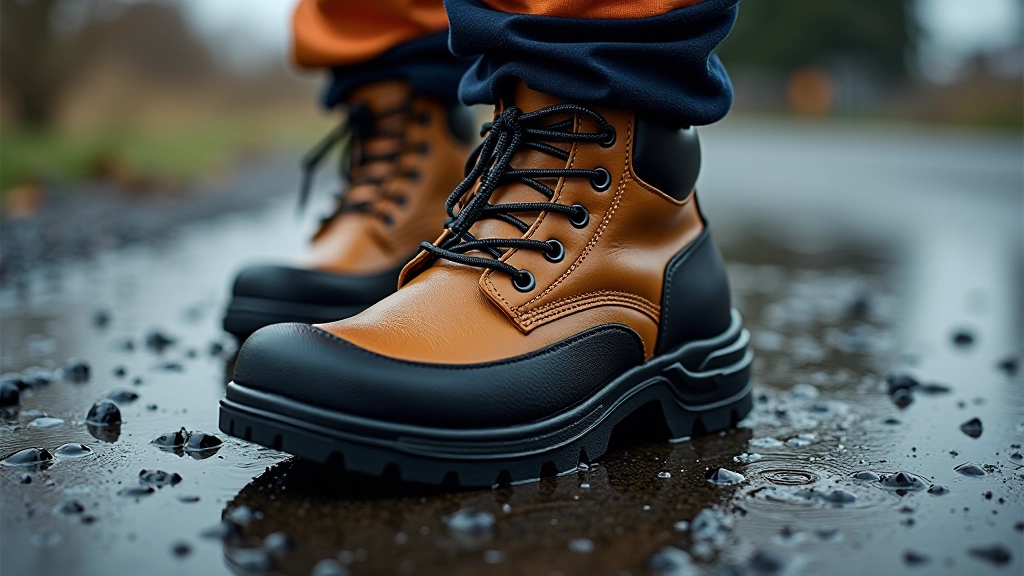
The upper part of the boot — the part that covers your foot — comes in different materials. Each has pros and cons.
Durable, breathable, conforms to your foot over time. Leather boots break in nicely and often last 18-24 months with regular care. They're also water-resistant if properly treated. The downside? They're heavier and more expensive.
Lighter weight, cheaper, easy to clean. Synthetic boots are great for crews that need to swap between different types of footwear throughout the day. They don't break in the same way leather does, so fit is important from day one. They typically last 12-18 months.
Mix of leather and synthetic materials. These often offer the best balance — durability of leather in key areas, lightweight synthetic where it counts. Mid-range pricing. They're a solid choice for most crews.
Choosing the right safety boots for your crew comes down to understanding what actually protects your people. Sole protection prevents puncture wounds. Ankle support prevents sprains and keeps people stable. Slip resistance prevents falls. These three things matter.
Everything else — the brand, the color, the fancy features — is secondary. Get those three right, make sure the sizing is accurate, and you've got boots that'll keep your crew safe and comfortable.
Don't rush the selection process. Have your crew try boots on. Let them walk in them. Ask for feedback. A boot that works for one person might not work for another, so don't assume one size fits all — even if it's literally the same shoe size.
Need to order safety boots for your crew? Our bulk ordering guide covers sizing documentation, quality standards, and sourcing strategies.
Read the Bulk Ordering ChecklistThis guide provides general information about safety boots and their features. While these recommendations reflect industry standards and practical experience, specific requirements may vary based on your work environment, local regulations, and individual needs. Always consult your company's safety guidelines and relevant occupational health and safety standards for your region. Safety footwear should be selected based on the specific hazards present in your workplace.
Class 2, Class 3, and daytime visibility — what's the difference? A practical breakdown of visibility requirements and why they matter for your crew.
Read More
Proper care makes the difference between gear lasting one season or three. We've covered the practical steps that actually extend workwear life.
Read More
Planning a large workwear order? This checklist covers sizing documentation, compliance requirements, and practical sourcing strategies.
Read More