
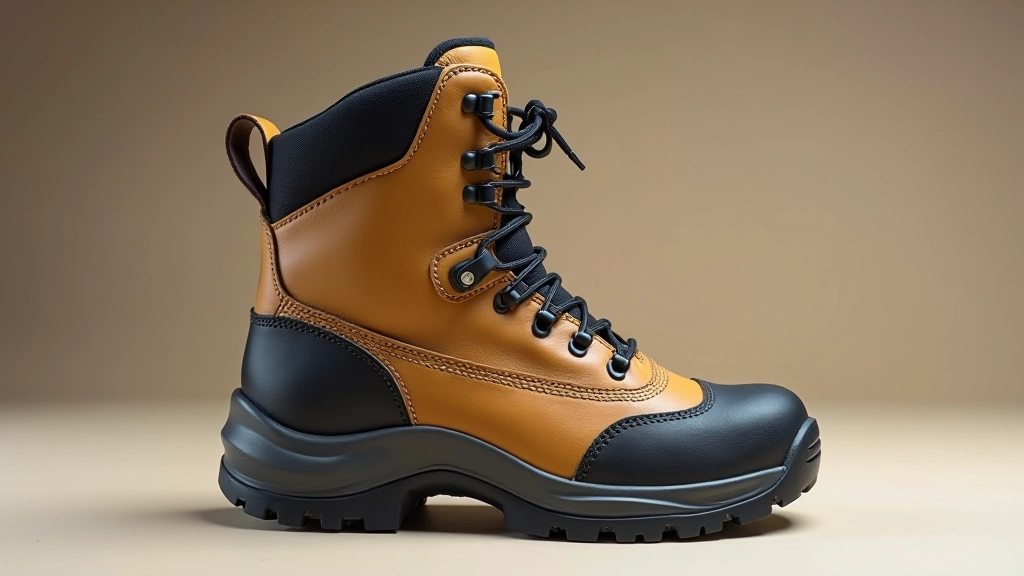
Choosing the Right Safety Boots for Your Crew
What makes a good safety boot? We break down sole protection, ankle support, slip resistance, and comfort factors that actually matter when you're on your feet all day.
Planning a large workwear order? We've compiled everything you need to know before placing your purchase — from sizing documentation to compliance verification and logistics planning.

Author
Written by the baltistone Editorial Team, focused on practical guidance for safety workwear wholesale supply in Latvia.
The biggest mistake companies make? Ordering without proper sizing data. You can't return 500 pairs of boots if half your team ends up with the wrong fit. Before you even contact a supplier, conduct a sizing survey across your entire group.
Create a simple spreadsheet with employee names, shoe sizes, jacket sizes, and any special requirements — women's cuts, tall sizes, or accessibility needs. This takes a couple of hours but saves weeks of hassle later. We're talking accurate data that makes the whole process smooth.
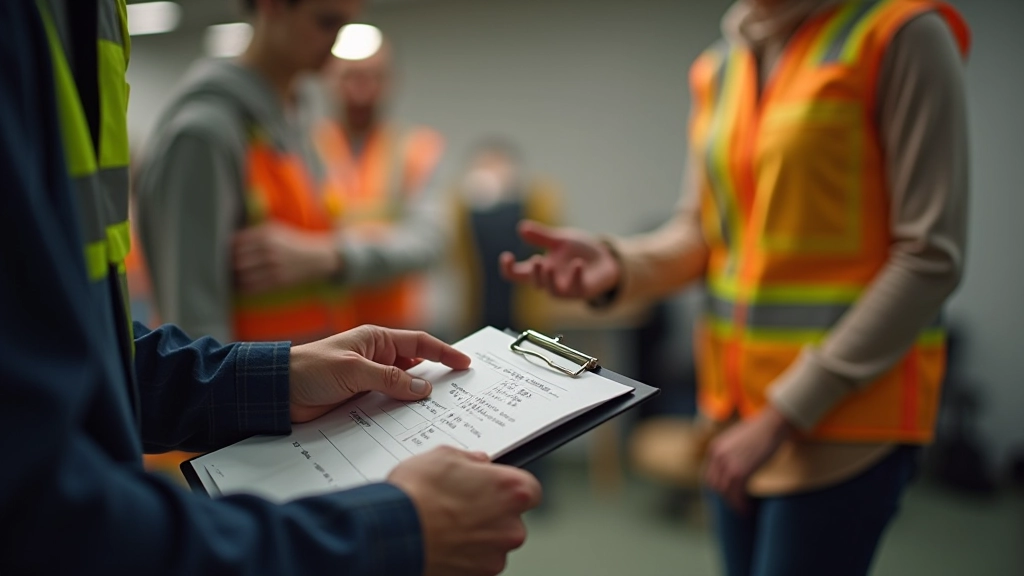
Don't just ask people to guess their sizes. Have them try items on if possible, or use your supplier's sizing guides. Include height, weight, and fit preferences — some workers prefer looser cuts, others need tailored fits. The more detailed your documentation, the fewer exchange requests you'll get.
Safety standards aren't one-size-fits-all. What your manufacturing team needs differs from what your logistics crew requires. You'll need to check visibility classes, protective ratings, and material certifications before ordering.
High-visibility workwear in Latvia typically falls into Class 2 or Class 3 standards depending on your workplace environment. Class 2 works for most warehouses and light industrial settings. Class 3 is essential if your team works near traffic or in low-light conditions. Don't guess — check your local regulations and your company's insurance requirements.
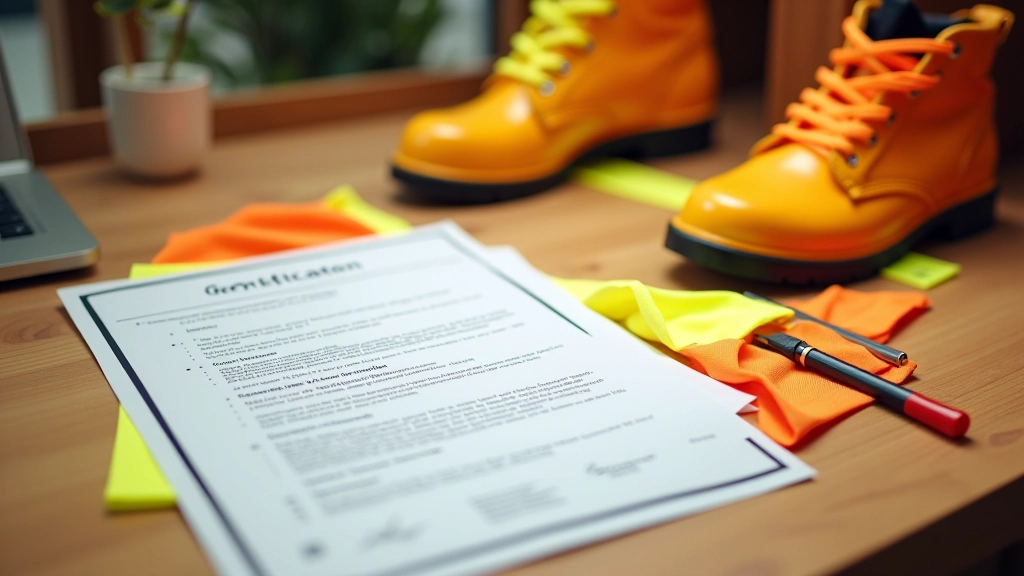
Also consider water resistance, flame resistance, and anti-static properties if relevant to your work environment. Get your supplier to provide compliance certificates — not just a promise that items "meet standards." You'll want documentation showing actual test results, especially if you're ordering for 100+ people.
Bulk orders sound cheaper per unit, but they're still significant expenses. A single pair of quality industrial boots runs 60–120 euros. A high-visibility jacket costs 40–80 euros. When you're outfitting 50 people, you're looking at real money. Calculate conservatively and build in a small buffer.

Include delivery costs in your budget — they're often higher for bulk shipments. Ask suppliers about minimum order quantities and whether there's flexibility if you fall 5–10% short of their threshold. Sometimes negotiating on delivery timing or choosing slower shipping can reduce costs significantly without affecting your timeline.
A bulk delivery of 150 pairs of boots plus jackets and accessories takes up real space. Don't order without confirming where everything's going to live before it arrives. You'll need dry storage with good ventilation — damp conditions damage leather and fabric within weeks.
Coordinate with your warehouse or storage team about receiving procedures. Agree on inspection time — you want to check items as they arrive, not discover damage two weeks later. Set a distribution schedule so employees get their gear within a reasonable timeframe and everything isn't sitting in a pile.
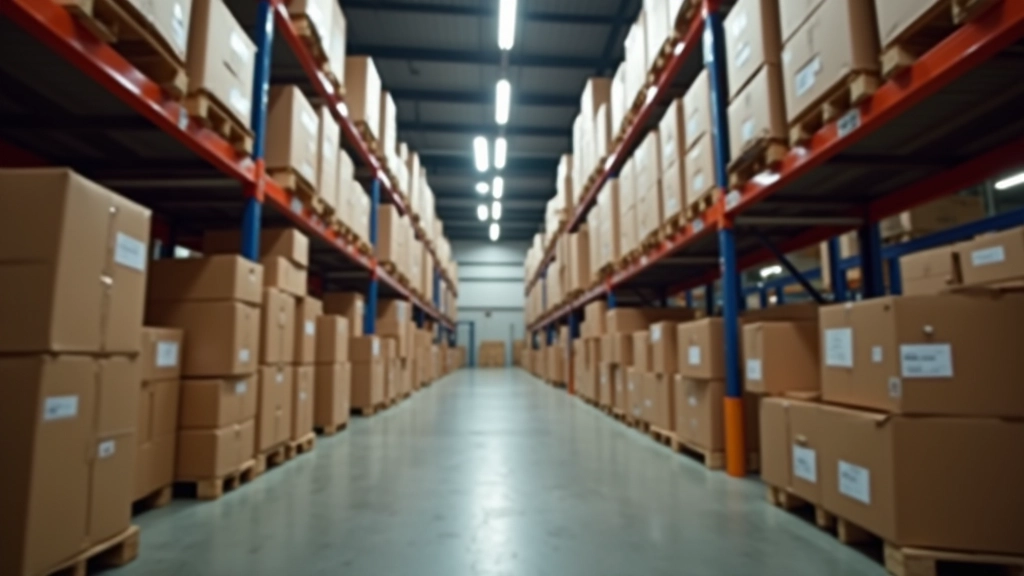
If you're ordering from a supplier outside your immediate region, factor in delivery time. Summer months can mean longer waits due to shipping volume. Winter deliveries sometimes face weather delays. Plan for 2–4 weeks from order placement to delivery, depending on your supplier's location and the shipping method.
"We've learned that clear communication with your team saves enormous amounts of time. When employees know exactly what they're getting and when it'll arrive, there are no surprises or complaints."— Operations Manager, Latvian Logistics Company
Once everything arrives, don't just hand it out randomly. Set up a fitting day or distribution schedule where employees can try things on and swap sizes if needed. It's a small investment of time that prevents returns and ensures everyone actually wears their gear properly.
Have someone responsible for tracking who received what and in which size. This matters for compliance records — you'll need to document that all employees received appropriate protective equipment. It's not just paperwork; it's legal protection for your company and proof that you're serious about workplace safety.
Collect accurate sizing data from all team members
Verify compliance standards for your industry
Get compliance certificates from your supplier
Calculate budget with delivery and contingency
Confirm storage space and climate control
Schedule delivery and plan distribution
Bulk ordering doesn't have to be stressful if you plan properly. The companies that do this well aren't rushing — they're thinking ahead. They've got their sizing documentation ready, they've checked compliance requirements, and they've made space for everything to arrive and be distributed smoothly.
Start your planning at least 6–8 weeks before you need the gear. That gives you time to research suppliers, negotiate prices, and handle any unexpected delays. Your team will appreciate having proper, well-fitting safety equipment, and you'll appreciate not dealing with last-minute panics and expensive returns.
This guide is provided for informational purposes to help companies understand bulk ordering processes for safety workwear. Compliance requirements, standards, and regulations vary by location, industry, and specific workplace conditions. Always consult with your local regulatory bodies, safety officers, and suppliers to ensure your purchases meet all applicable requirements for your situation. The information presented here reflects general practices and should not be considered legal or compliance advice.
Explore more practical guides for industrial safety workwear
What makes a good safety boot? We break down sole protection, ankle support, slip resistance, and comfort factors that actually matter when you're on your feet all day.
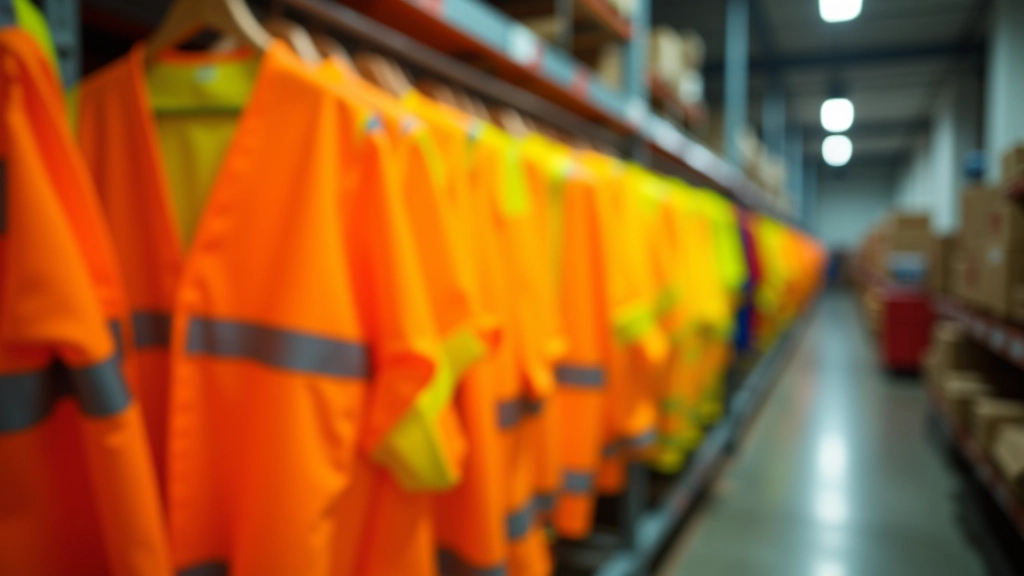
Class 2, Class 3, and daytime visibility — what's the difference? A practical breakdown of standards and when you actually need each level for your workplace.

Proper care makes the difference between gear lasting one season or three. We've covered the best practices for washing, drying, and storing industrial workwear.